
Design Insight
Expert Guidance for Your Custom Furniture
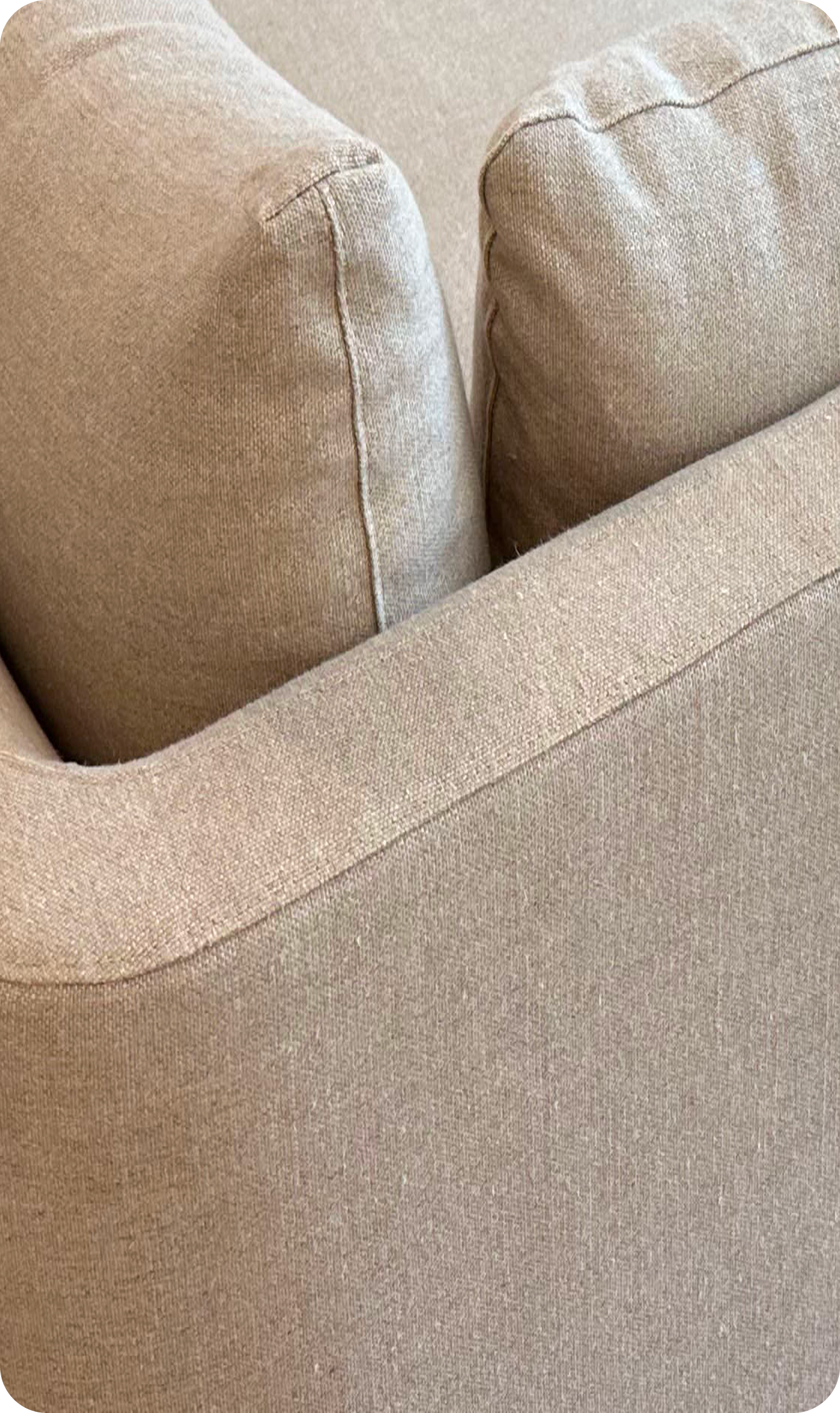
- Natural & Sustainable: As a plant-based fiber, linen is a fantastic eco-conscious choice. It’s biodegradable and requires far less water and resources to produce than many other fabrics.
- Durability for Life: Don’t let its soft feel fool you. Linen is one of the strongest natural fibers available, meaning your upholstered piece is built to last. In fact, linen gets softer and more comfortable with time and use.
Breathable Comfort: Linen is highly breathable and a natural temperature regulator. It feels cool and fresh in the summer yet cozy and comfortable in the winter. - A Healthy Home: Linen is naturally hypoallergenic and anti-bacterial, making it a perfect choice for a clean, healthy, and family-friendly living space.
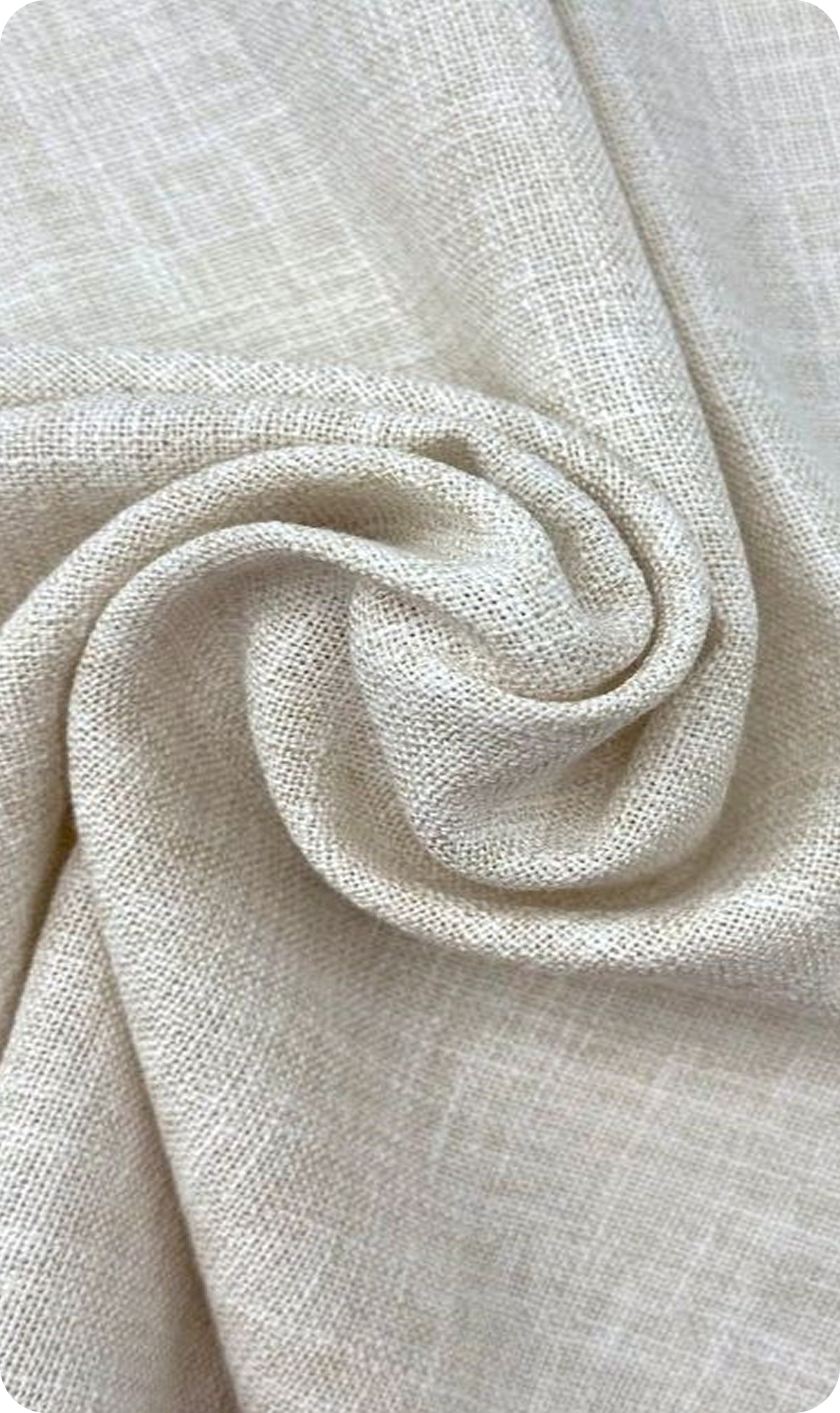
- A Note on Wrinkles: Linen’s unique charm includes its tendency to wrinkle. This is not a flaw—it’s part of its natural character and what creates that sought-after, relaxed aesthetic. It’s a fabric that’s meant to look comfortable and inviting, not stiff or perfect.
- Vacuum Regularly: This is the most important step! Use your vacuum’s soft brush upholstery attachment weekly or bi-weekly. This prevents dust and dirt from settling into the fibers and dulling the fabric.
- Fluff & Rotate: If you have removable cushions, fluff them regularly and rotate their positions to ensure even wear.
- Act Quickly! Linen is absorbent. The key is to treat a spill before it has time to set.
- Blot, Don’t Rub: Immediately blot the spill with a clean, dry, white cloth. Rubbing will only push the stain deeper into the weave and can damage the fibers.
- Spot Cleaning: For a persistent spot, use a mild, water-free upholstery cleaner or a tiny amount of clear, gentle soap (like Castile soap) mixed with distilled water. Always test on an inconspicuous spot first. Apply the solution to a cloth, not the fabric, and blot gently from the outside of the stain inward.
- Rinse Carefully: If you used a water-based solution, “rinse” the area by blotting with a new cloth dampened with only distilled water. This helps prevent water rings.
- Air Dry: Let the spot air dry completely. Do not use a hairdryer, as high heat can shrink the fibers and set the stain.
- Avoid Harsh Chemicals: Never use bleach, ammonia, or other harsh chemical cleaners on your linen.
- Know When to Call a Pro: For large or set-in stains (like wine or oil), we strongly recommend calling a professional upholstery cleaner who has experience with natural fibers.
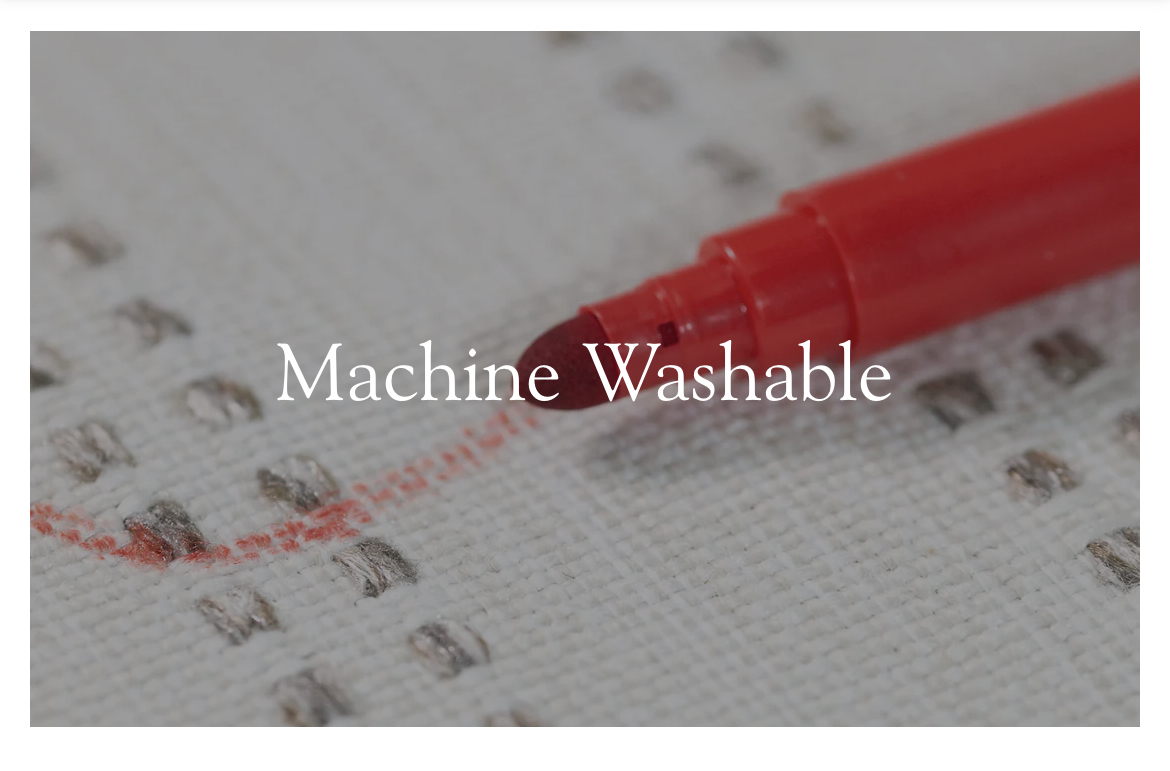
Revolution is a “performance fabric,” which means it’s engineered from the fiber up to handle the mess of real life. It’s the perfect blend of durability, softness, and peace of mind, all while being made in the USA.
- Practically Unstainable: This is Revolution’s superpower. The fabric is made from 100% olefin (polypropylene), which is solution-dyed. This means the color is part of the fiber itself, not just a coating on the surface. Stains (even wine, coffee, or ink) can’t bond with the fiber and can be cleaned away.
- Worry-Free Cleaning: Because the fiber is so resilient, Revolution fabrics are… wait for it… bleach cleanable! You can use a diluted bleach solution to remove the toughest stains without fading or damaging the fabric.
- Incredibly Durable: This fabric is built to last. It resists pilling, fuzzing, and fading, making it an ideal choice for your most-used furniture—the family sofa, a breakfast nook banquette, or your favorite armchair.
- Eco-Friendly Choice: You don’t have to sacrifice sustainability for performance. Revolution is made from upcycled petroleum byproducts, has a small carbon footprint, and is 100% free of PFC/PFAS chemicals, which are often found in other stain-resistant fabrics.
A Note on Feel: Don’t let the word “performance” make you think of stiff, plastic-y outdoor fabric. Revolution has come a long way and is now woven in a huge variety of beautiful textures that are surprisingly soft, comfortable, and perfect for a cozy living room.
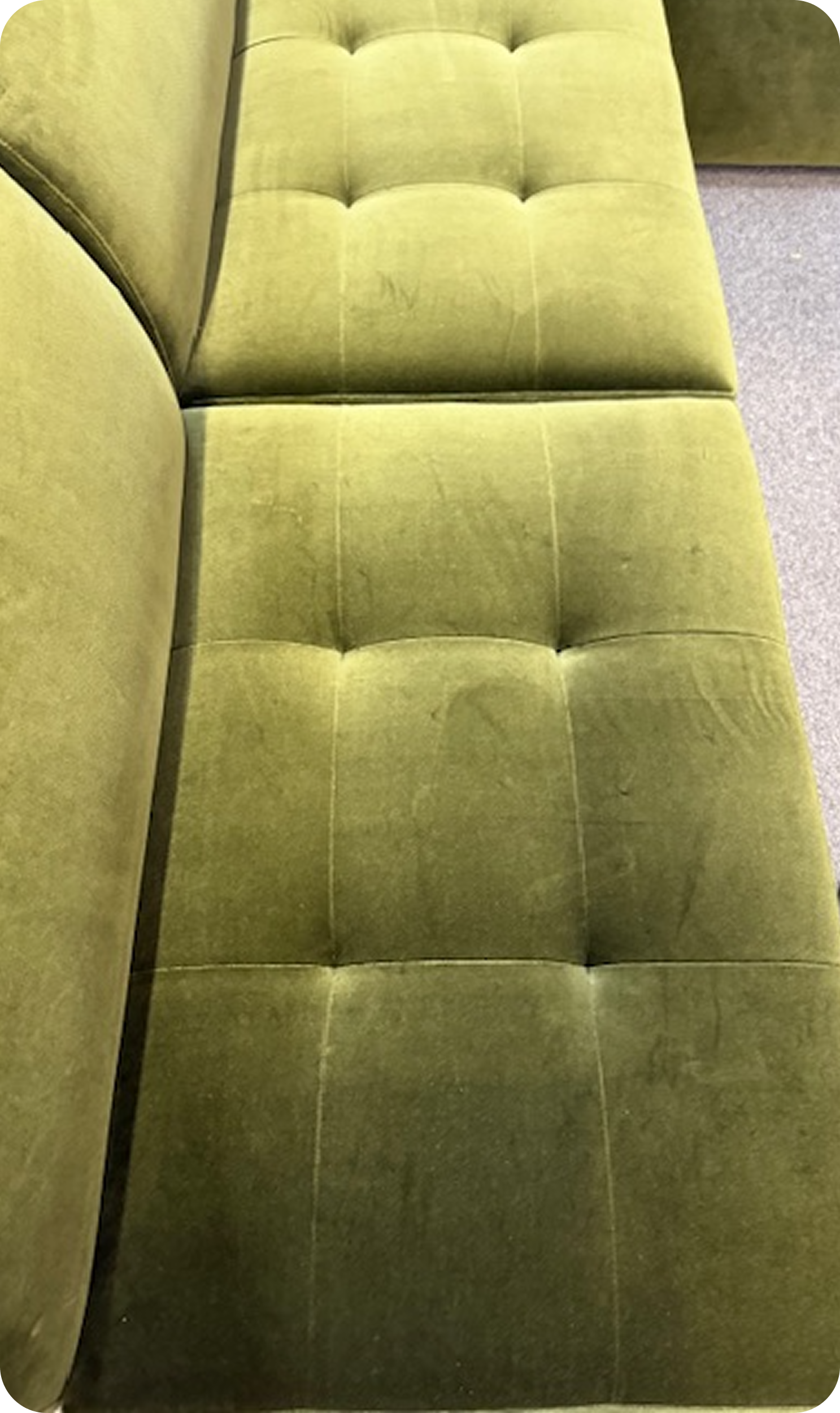
Why We Trust Revolution And How to Care for Your Revolution Upholstery
- Vacuum Regularly: Just like any upholstery, a weekly vacuum with a soft brush attachment will keep dust and crumbs from settling into the weave.
- Blot Spills: If a spill happens, blot it with a dry, clean cloth to absorb as much as possible.
- For Most Spills: Most messes can be cleaned with a simple solution of mild soap and water.
- For Tough Stains: This is where Revolution shines.
- Create a solution of 1 part bleach to 10 parts water in a spray bottle.
- Lightly spray the stained area. (Always test in a hidden spot first, just to be safe!)
- Gently blot the stain with a clean, damp cloth. Do not rub or scrub, as this can rough up the fibers.
- Rinse, Rinse, Rinse! This is the most critical step. Once the stain is gone, blot the area with a new cloth dampened with only clean water. You need to remove all the bleach or soap residue.
- Air Dry: Let the spot air dry completely. Do not use a hairdryer.
And that’s it. The stain will be gone, and your fabric will look brand new.
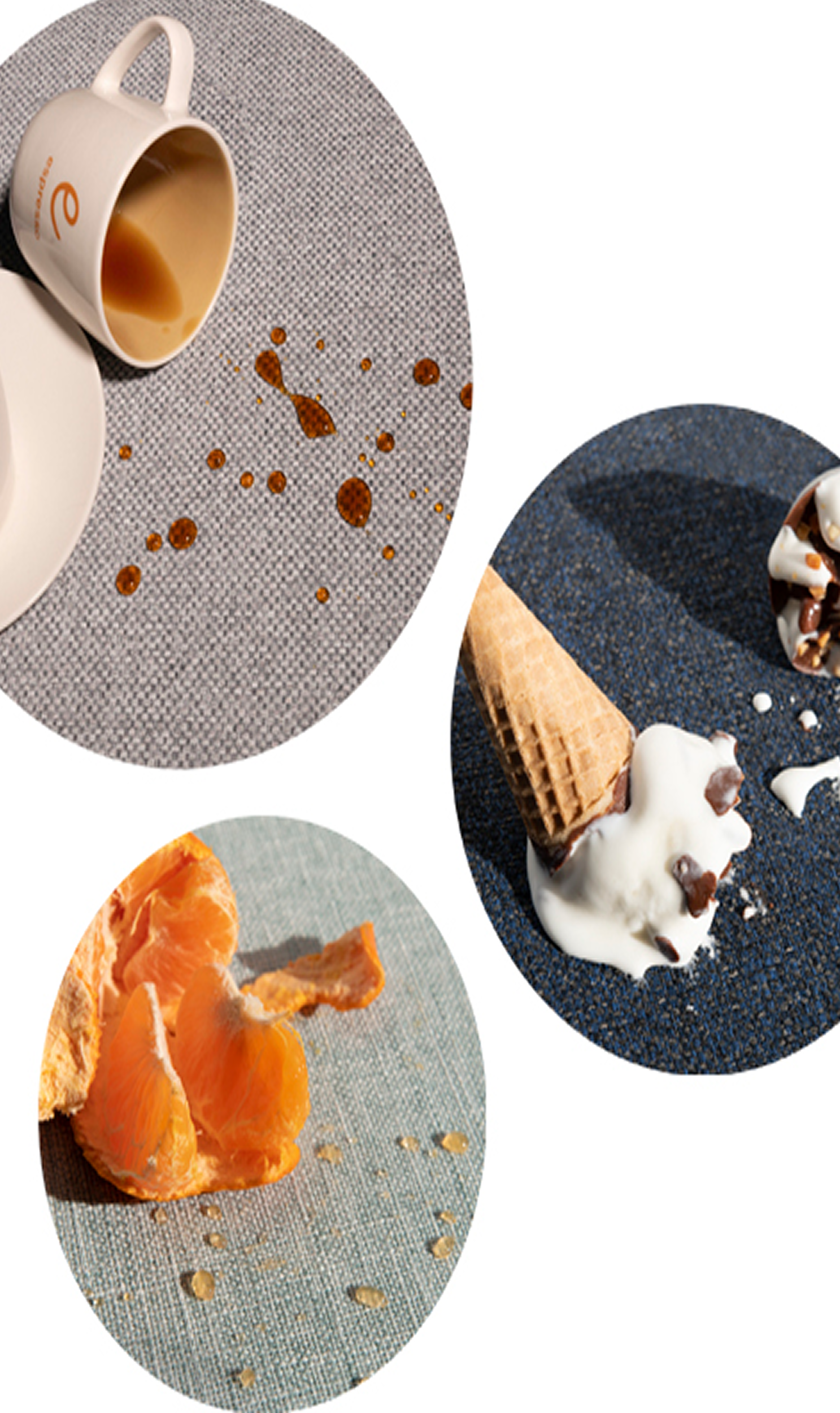
we’re moving from a type of fabric to a high-performance treatment. What if you’ve fallen in love with the look of a wool, a Belgian linen, or a soft cotton, but you’re worried about it holding up to real life?
This is where Alta comes in. It’s a cutting-edge technology that acts as invisible armor for the fabric of your choice.
- Keeps Your Fabric’s “Hand”: This is its greatest strength. An Alta treatment will not change the feel, softness, color, or breathability of your chosen fabric. Your linen stays airy, your velvet stays plush, and your wool stays rich.
- Superior Stain Repellency: Alta is engineered to repel both water-based and oil-based stains. Spills like wine, coffee, and soda will “bead up” on the surface, allowing you to blot them away before they set.
- A Responsible, Eco-Friendly Choice: For clients focused on a healthy home, Alta is an exceptional choice. It is 95% water-based and is free of solvents, VOCs, PFOS, PFOA, formaldehyde, and phthalates.
- Durability and Longevity: The treatment is permanent. It won’t wash off or wear away. In fact, it also helps improve the fabric’s durability by increasing its resistance to pilling and abrasion.
How is Alta different from Revolution? Revolution is a specific type of fiber (olefin) that is inherently stain-proof. Alta is a treatment that is applied to other fabrics. This gives you the freedom to get performance-level protection on a much wider range of materials, including delicate natural fibers.
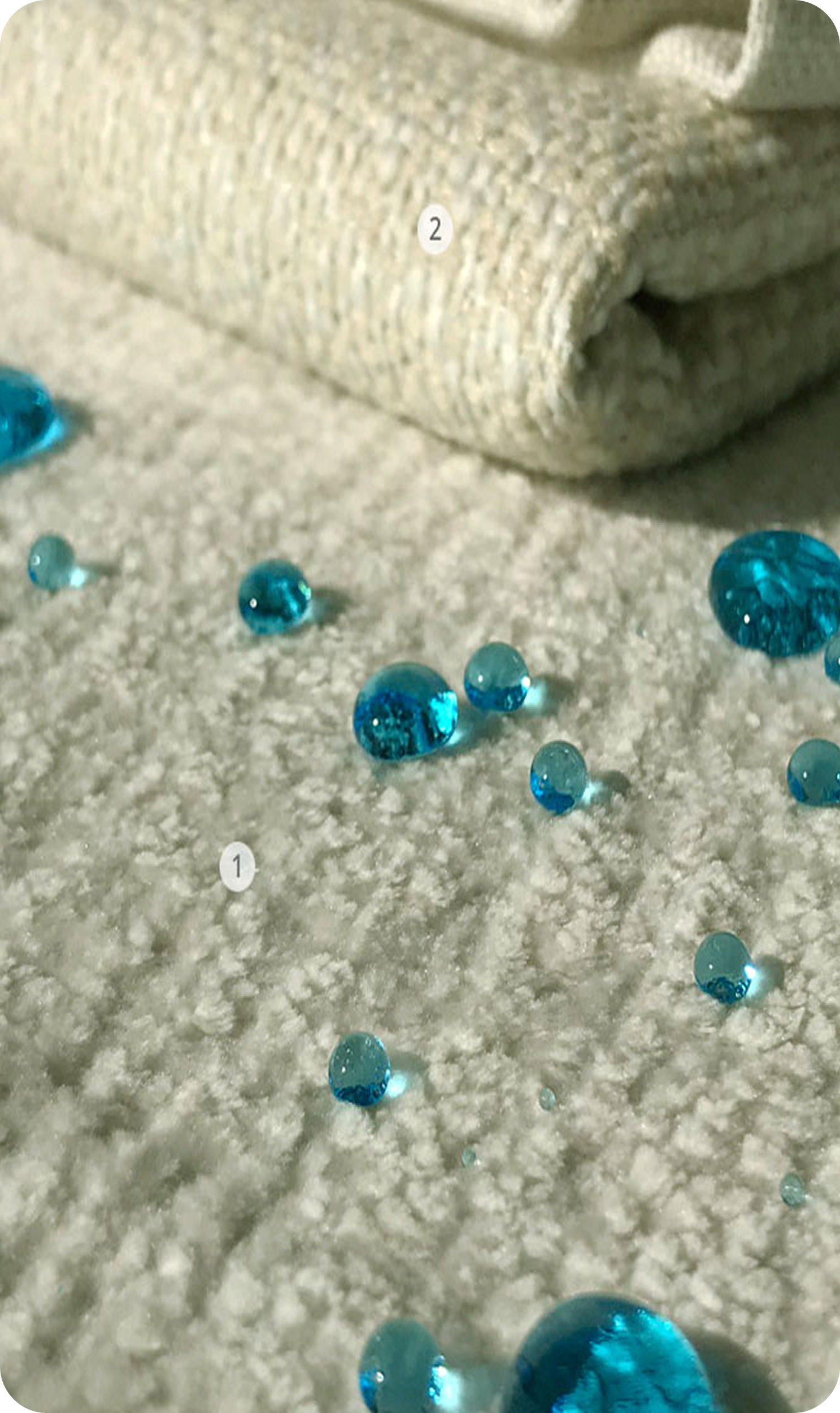
Care is simple and designed to handle messes before they become stains.
- Vacuum Regularly: Just like any upholstery, use a soft brush attachment to vacuum your piece weekly. This prevents everyday dust from settling into the fibers.
- Act Quickly! The Alta treatment causes liquids to bead up, but it’s not magic—it’s designed to give you time. Don’t let spills sit.
- Blot, Don’t Rub: Use a clean, dry, absorbent white cloth to blot the beaded liquid immediately. Most of the time, this is all you’ll need.
- For Residual Spots: If a faint spot remains, flush the area by blotting with a new cloth dampened with plain warm water. Blot to lift the stain; do not scrub.
- For Stubborn Stains:
- Mix a few drops of a clear, mild dish soap (like Dawn) or laundry detergent with a cup of warm water.
- Apply this solution to a clean cloth, not the fabric, and gently blot the stain.
- Crucial Step: Rinse Thoroughly. Once the stain is gone, blot the area with a new cloth dampened with only clean, warm water. You must remove all soap residue, or it can attract dirt later.
- Air Dry: Let the spot air dry. Do not use a hairdryer, as heat can be bad for the fabric’s fibers.
Important Note: Do not use bleach, solvents, or harsh chemical cleaners on Alta-treated fabrics. The treatment is powerful, but it is not designed to withstand these chemicals (unlike a bleach-cleanable fiber like Revolution).
This is a great trio of insights (Linen, Revolution, Alta) that covers natural fibers, performance fibers, and performance treatments!
With over 20 years of experience, I’ve learned that the best furniture isn’t just beautiful it’s perfectly suited to how you actually live. Here are some insights to help you make informed decisions about your custom piece.
Getting the Dimensions
Right
The most critical aspect of custom furniture is ensuring it fits both your space and your body. Standard furniture rarely accommodates everyone’s needs perfectly.
Seat Depth
Standard sofas have a 22-24″ seat depth, but taller individuals often prefer 26-28″ for better leg support, while shorter individuals may be more comfortable with 20-22″.
Back Height
Consider how you sit. Do you like to rest your head? A taller back (24-28″) provides support. Prefer a more upright posture? A lower back (18-22″) might suit you better.
Arm Height & Width
Arms affect both comfort and room flow. Lower, narrower arms create a more open feel and are great for smaller spaces. Taller, padded arms offer a cozy, enclosed feeling.
Choosing Cushion Firmness
There’s no “one size fits all” when it comes to cushion comfort. The right firmness depends on your preferences, body type, and how you plan to use the furniture.
Firm Cushions
Best for those who prefer structured support and easier to get up from. Ideal for formal seating areas or individuals who want a “perched” feel. Maintains shape longer with heavy use.
Medium Firmness
The most popular choice—offers a balance of support and comfort. Works well for everyday use and accommodates different body types. Great for family rooms and versatile spaces.
Soft Cushions
Perfect for sinking in and lounging. Provides a cozy, enveloping feel. Best for reading nooks, bedrooms, or spaces where relaxation is the priority. Requires more fluffing.
Custom Combinations
You can mix firmness levelsfirmer seat cushions with softer back cushions, for example to create the perfect comfort profile for your needs.
Selecting the Perfect Fabric
Fabric choice affects both aesthetics and longevity. The right fabric balances beauty, durability, and maintenance needs for your lifestyle.
Performance Fabrics
Ideal for families with children or pets. These fabrics resist stains, are easy to clean, and maintain their appearance over time. Available in a wide range of colors and textures.
Natural Fibers
Linen, cotton, and wool offer a luxurious feel and beautiful drape. They’re breathable and comfortable but may require more maintenance. Perfect for low-traffic or adult-only spaces.
Leather & Faux Leather
Durable and easy to clean. Leather ages beautifully, developing character over time. Faux leather offers similar benefits at a lower cost and is animal-friendly.
Pattern vs. Solid
Patterns can hide wear and stains better than solids, while solid colors create a clean, timeless look and are easier to accessorize with pillows and throws.
Timeless Style Choices
While trends come and go, certain design principles create furniture that remains beautiful for decades.
Classic Silhouettes
Clean lines and simple shapes never go out of style. They work with changing décor and adapt to different spaces if you move.
Neutral Foundations
Consider a neutral base color for large pieces. You can always add personality with colorful pillows, throws, and accessories that are easy to change.
Quality Details
Details like contrast piping, nailhead trim, or tufting add character without overwhelming the design. Choose details that complement your home’s aesthetic.
Planning Your Space
Before designing custom furniture, it’s important to consider how the piece will function within your entire room layout.
Traffic Flow
Ensure at least 24-36″ of clearance for walkways around furniture. This prevents the room from feeling cramped and makes daily movement comfortable.
Proportion & Scale
Furniture should be proportional to your room size. In smaller spaces, consider pieces with exposed legs (they feel lighter) and avoid overly bulky arms.
Focal Points
Arrange seating to create conversation areas or to face a focal point like a fireplace or window. Think about sight lines and how people will use the space.
Lighting Considerations
Consider natural light when choosing fabric colors. Dark fabrics can fade in direct sunlight, while lighter colors can help brighten dim rooms.